

Washington DC is famous for its marble monuments, sprawling museums, and the kind of postcard views that show up on every first-time visitor’s itinerary. But beyond the National Mall and the crowds circling the Capitol, there’s a quieter version of the city waiting to be discovered. This guide to hidden gems in Washington DC is built for travelers who’ve already seen the highlight reel and want something more personal — the kind of places locals quietly keep to themselves.
From secret places in Washington DC tucked behind unmarked doors to underrated neighborhoods with better food than half the tourist strip, this article covers the off the beaten path Washington DC experiences that make a trip memorable instead of just checkable. Whether you’re after unique things to do in Washington DC, unusual things to do in Washington DC, or simply a break from the crowds, you’re in the right place.
Why Visit
Washington DC gets over 20 million visitors a year, and most of them follow the same three-mile loop between the Lincoln Memorial and the Capitol steps. That’s understandable — the monuments are stunning. But it also means the rest of the city, arguably the more interesting half, stays remarkably uncrowded.
Visiting the lesser known attractions in Washington DC gives you a completely different picture of the capital: a city of immigrant food halls, artist studios, hidden gardens, and neighborhood bars where policy staffers actually unwind. It’s also a practical upgrade — shorter lines, better prices, and a much more authentic sense of how Washingtonians actually live. If you want a trip that feels like discovery rather than a checklist, exploring the city’s hidden attractions in Washington DC is the way to do it.
Top Things to Do
1. Kenilworth Aquatic Gardens
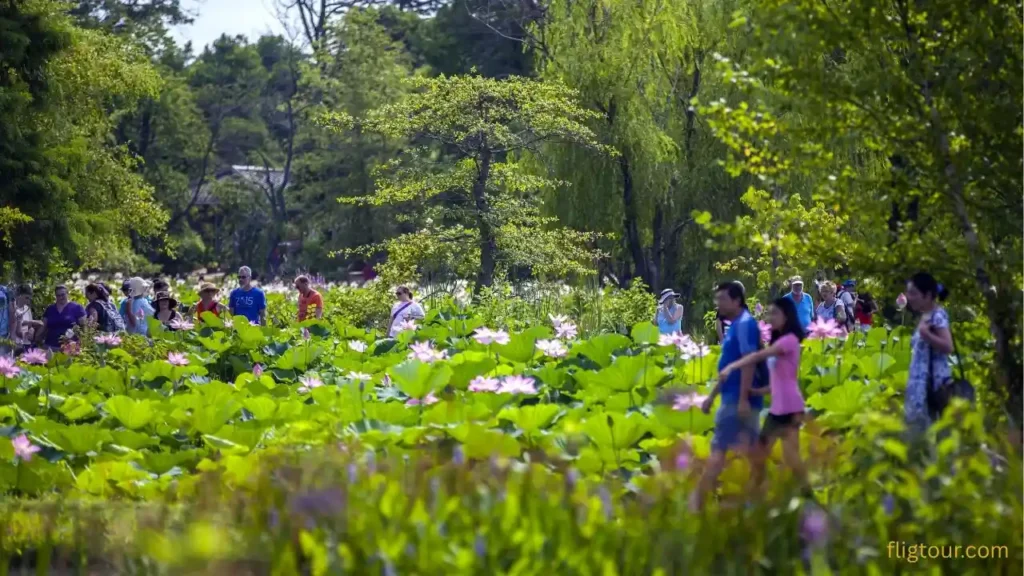
Tucked along the Anacostia River in Northeast DC, this National Park Service site is one of the most surprising hidden places in Washington DC. Come between June and August to see ponds blanketed in giant lotus blossoms and water lilies. Almost no tourists make it out here, which makes it feel like a private botanical world.
2. The Wharf’s Hidden Speakeasies
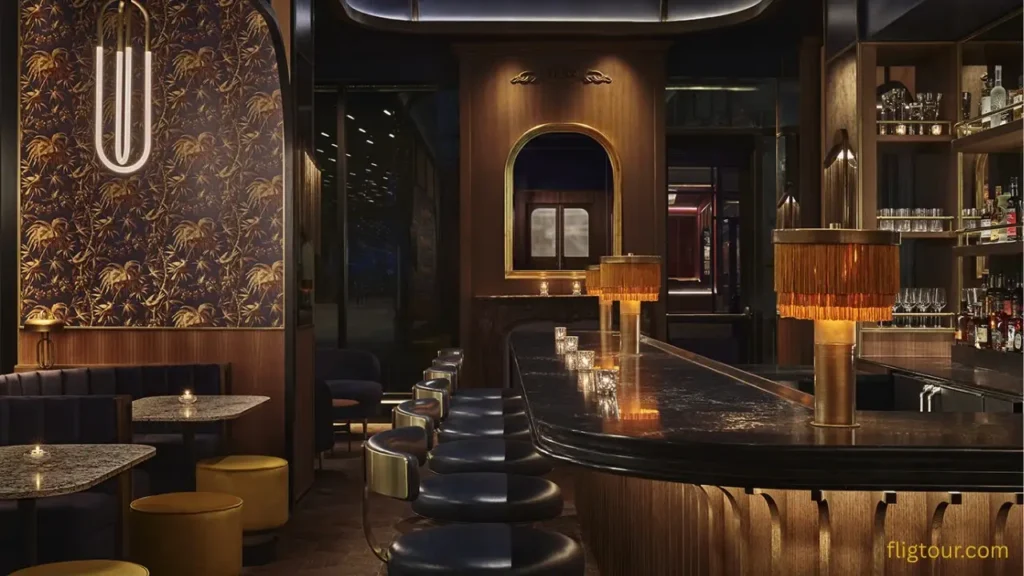
The Wharf gets some tourist traffic for its waterfront views, but few visitors know about the unmarked bars tucked behind its restaurants. Ask locally for the current entrance code — it’s the kind of secret places in Washington DC detail that changes the whole vibe of a night out.
3. Dumbarton Oaks Park
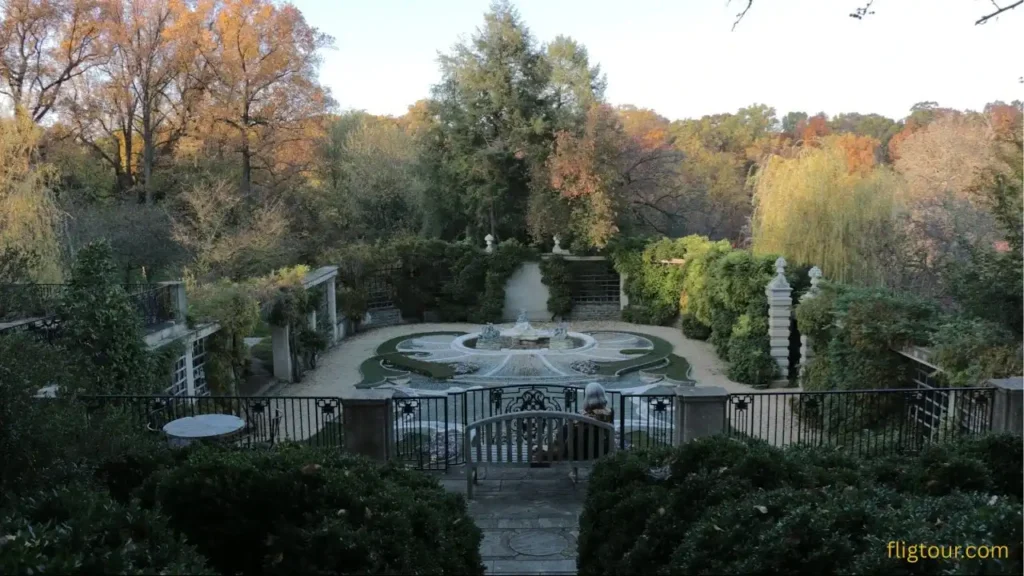
Skip the manicured formal gardens (lovely, but crowded) and instead wander into the adjoining wild park, a naturalistic landscape designed by Beatrix Farrand. Streams, stone bridges, and forest trails make this one of the most underrated places in Washington DC for a quiet escape in Georgetown.
4. Franklin’s Barbecue Alley Murals (Shaw neighborhood)
Shaw’s back alleys are covered in vibrant, ever-changing street art that most Mall-bound tourists never see. Pair a wander through here with a stop at a nearby coffee shop for one of the more unusual things to do in Washington DC.
5. The Line Hotel’s DJ Church
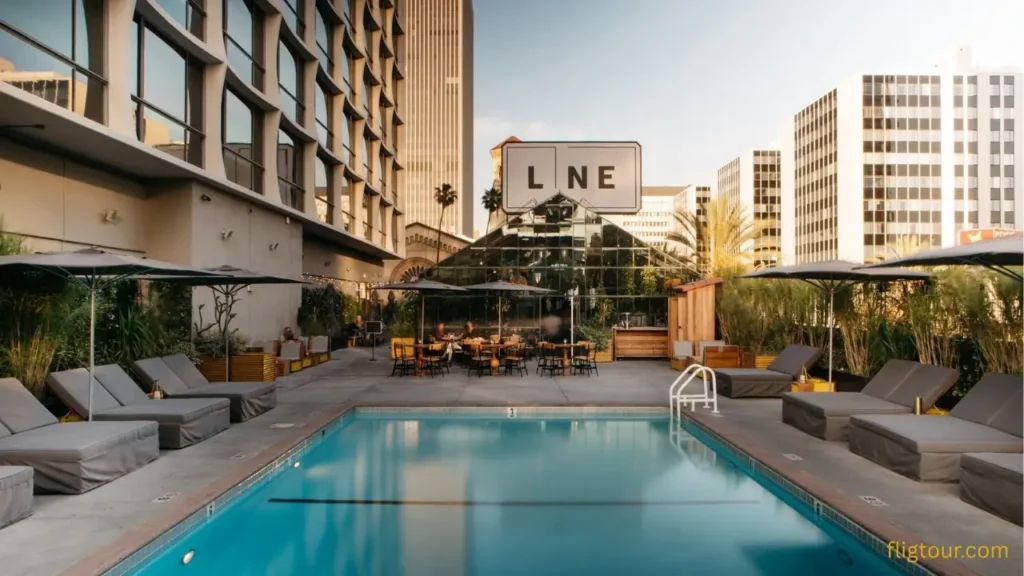
Housed in a converted 1912 church in Adams Morgan, this hotel’s lobby bar mixes stained glass with turntables. It’s not exactly secret anymore among locals, but tourists routinely miss it.
6. Hillwood Estate, Museum & Gardens
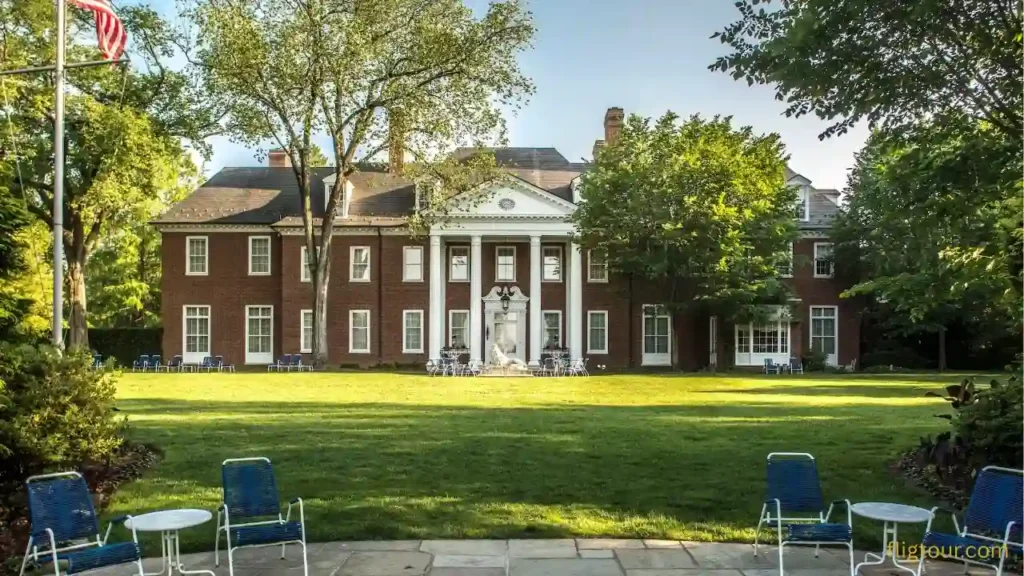
Marjorie Merriweather Post’s former estate holds one of the largest collections of Russian imperial art outside Russia, set in 25 acres of gardens. It consistently ranks among the most underrated places in Washington DC despite rivaling the Smithsonian in curatorial quality.
7. Anacostia Community Museum
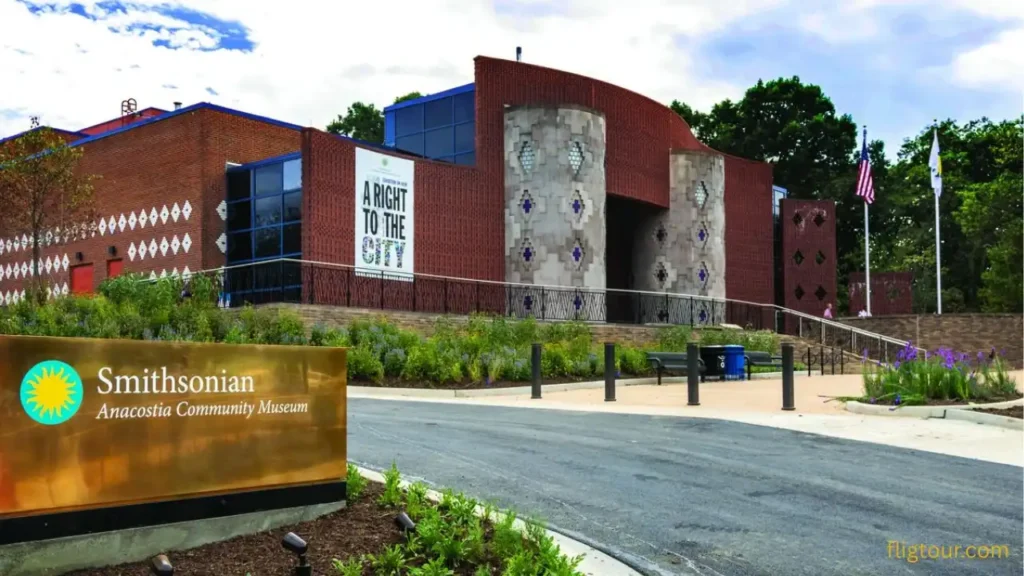
A Smithsonian museum most visitors never make it to, focused on African American history and the culture of DC’s Anacostia neighborhood. Free admission, minimal crowds, real substance.
8. The Fort Circle Parks
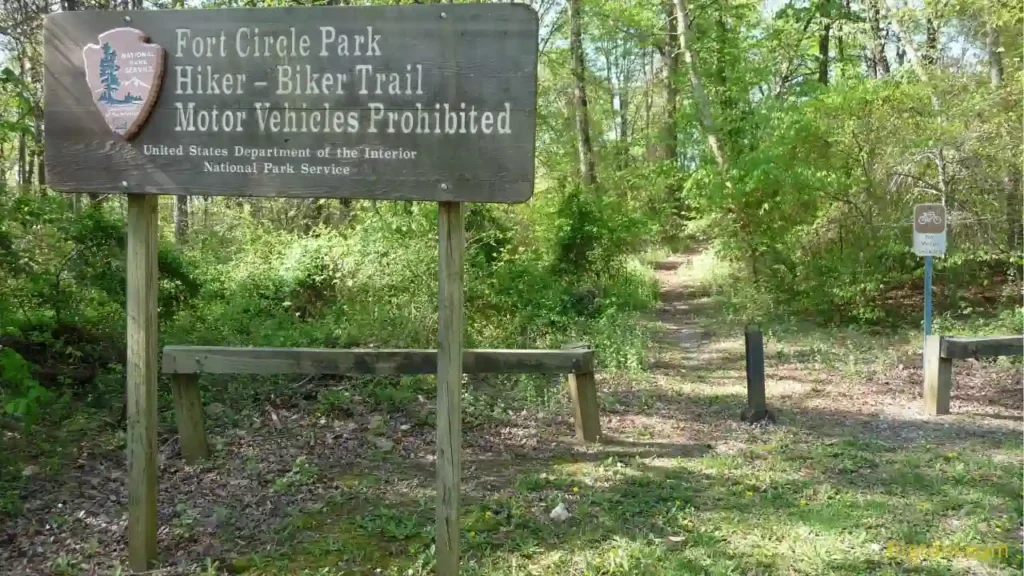
A ring of Civil War-era forts scattered through DC’s less-visited quadrants. Fort Stevens and Fort Dupont offer walking trails, quiet picnic spots, and history you won’t find in guidebooks — genuinely local hidden gems Washington DC residents use as weekend escapes.
9. Eastern Market’s Weekend Flea
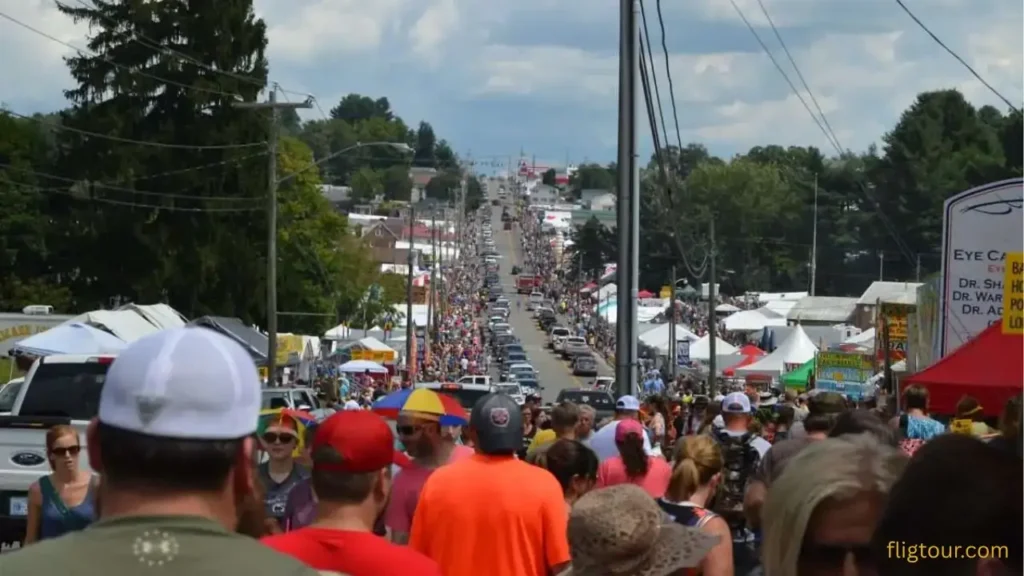
Everyone knows the indoor market; fewer make it to the outdoor flea market on weekends, where local vendors sell antiques, art, and vintage finds.
10. Blind Whino SW Arts Club
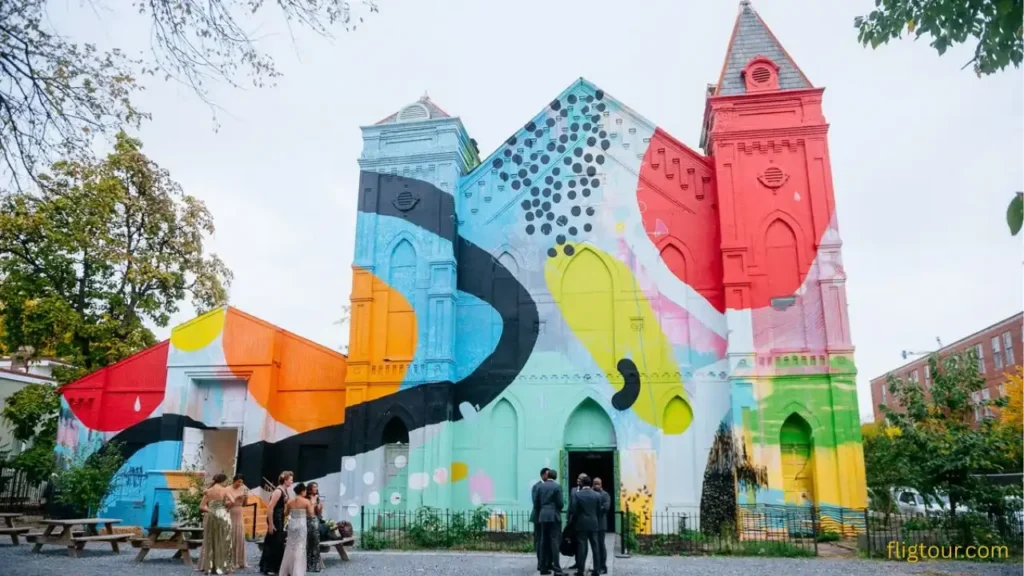
A converted 1920s church turned community arts space in Southwest DC, covered floor to ceiling in murals. Rotating exhibitions and events make it one of the most unique things to do in Washington DC for art lovers.
11. Book Hill Park & Volta Park (Georgetown)
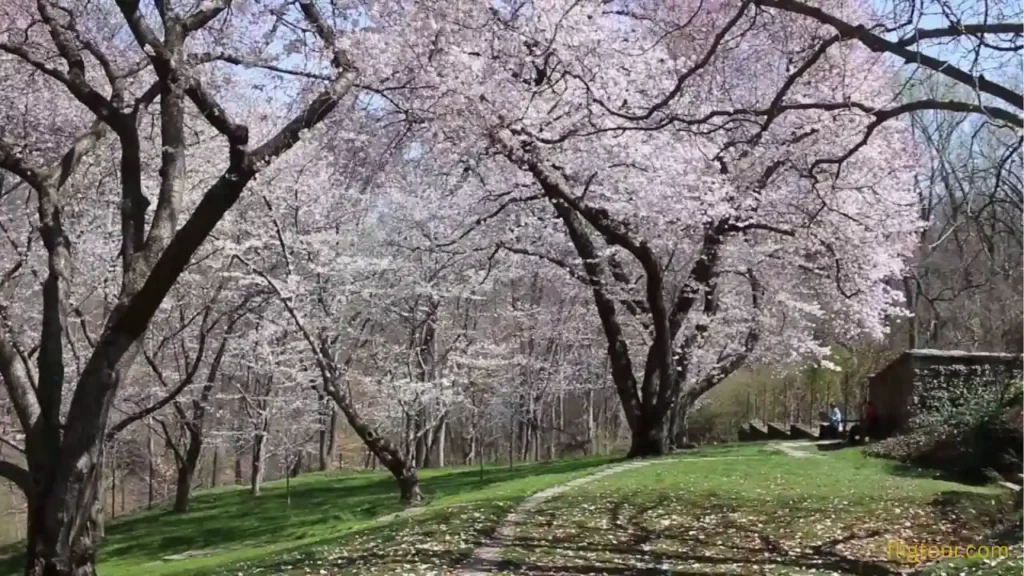
Away from the M Street shopping crush, these quiet residential parks give a completely different, slower side of Georgetown.
12. Rose Park Tennis & Picnic Grounds
A neighborhood favorite for locals, rarely mentioned in tourist guides, ideal for a relaxed afternoon.

Best Time to Visit
Spring (late March through May) brings cherry blossoms and mild weather, but also the year’s biggest crowds — book hidden gem visits early in the morning during this season. Fall (September to November) offers similarly pleasant weather with noticeably fewer tourists, making it the best time for exploring off the beaten path Washington DC spots without competing for space. Summer is hot and humid but rewards visitors with lotus blooms at Kenilworth and lively outdoor markets. Winter is the quietest season overall — a great time to have underrated museums almost entirely to yourself.
Where to Stay
- Adams Morgan – Walkable, nightlife-heavy, close to The Line Hotel and diverse restaurants.
- Shaw/U Street – A historic Black cultural corridor turned trendy neighborhood, close to jazz clubs and hidden alleyway art.
- Capitol Hill – Ideal for Eastern Market access and a quieter, residential feel near the Anacostia museums.
- Georgetown – Charming and walkable, best for travelers prioritizing Dumbarton Oaks Park and boutique shopping.
Budget travelers should look at hostels near Dupont Circle, while those wanting a local, non-touristy base should consider Airbnbs in Petworth or Brookland.
Transportation
The Metro is the easiest way to reach both major sites and hidden attractions in Washington DC — a rechargeable SmarTrip card works across rail and bus. Many of the lesser-known spots in this guide, like Kenilworth Aquatic Gardens or the Fort Circle Parks, sit outside typical tourist zones, so a rideshare or a rental car for a half-day is often worth it. Capital Bikeshare is excellent for neighborhood exploring in Georgetown, Shaw, and Capitol Hill. Walking remains the best way to stumble onto unexpected finds — many of DC’s best secret places in Washington DC were never meant to be reached by tour bus.
Budget Guide
| Expense Category | Budget Traveler | Mid-Range Traveler | Luxury Traveler |
|---|---|---|---|
| Accommodation | $60–100/night (hostel/budget hotel) | $150–250/night (boutique hotel) | $350+/night (luxury hotel) |
| Food | $30–40/day (markets, food halls) | $60–90/day (casual restaurants) | $150+/day (fine dining) |
| Transportation | $10–15/day (Metro/bus) | $20–30/day (Metro + occasional rideshare) | $50+/day (rideshare/car) |
| Attractions | $0–20/day (mostly free Smithsonians) | $20–40/day (paid gardens/tours) | $50+/day (private tours) |
| Daily Total | $100–175 | $250–400 | $600+ |
Many of the city’s best hidden attractions in Washington DC — Anacostia Community Museum, Kenilworth Aquatic Gardens, Fort Circle Parks — are completely free, making this one of the more budget-friendly ways to experience the capital deeply.
2-Day Itinerary
| Day | Morning | Afternoon | Evening |
|---|---|---|---|
| Day 1 | Kenilworth Aquatic Gardens | Anacostia Community Museum | Dinner + speakeasy at The Wharf |
| Day 2 | Dumbarton Oaks Park (Georgetown) | Hillwood Estate, Museum & Gardens | Blind Whino Arts Club, then U Street jazz club |
Adjust timing seasonally — Kenilworth is best done early to beat the summer heat, while Dumbarton Oaks Park is especially pretty in fall.
Local Tips
- Many underrated places in Washington DC, including Smithsonian-affiliated museums, are free — always check before assuming a paid ticket is required.
- Locals avoid the Mall entirely on weekends during cherry blossom season; visit hidden gardens instead.
- Neighborhood coffee shops in Shaw and Petworth are a better bet for a quiet morning than downtown chains.
- Ask bartenders and shop owners for their own favorite non touristy things to do in Washington DC — DC locals are famously happy to share recommendations.
- Visit museums on weekday mornings for the emptiest galleries.
Safety Tips
Washington DC is generally safe for tourists, especially in well-trafficked neighborhoods like Georgetown, Capitol Hill, and Adams Morgan. As with any major city, stay alert at night in less populated areas, especially around some sections east of the river after dark. Keep valuables secured on the Metro, particularly during rush hour. Areas like Kenilworth and the Fort Circle Parks are best visited during daylight hours since they’re less populated and less patrolled than central tourist zones. Rideshare apps are widely available and a safe option for late-night travel between neighborhoods.
FAQs
1. What are the best hidden gems in Washington DC for first-time visitors?
Kenilworth Aquatic Gardens, Hillwood Estate, and the Anacostia Community Museum offer a strong introduction to the city’s lesser known attractions in Washington DC without requiring extensive local knowledge.
2. Are there free hidden attractions in Washington DC?
Yes — many Smithsonian-affiliated sites, along with Kenilworth Aquatic Gardens and the Fort Circle Parks, are completely free to visit.
3. What’s the best neighborhood for exploring off the beaten path Washington DC?
Shaw and Capitol Hill offer some of the richest local culture and hidden spots outside the typical tourist corridor.
4. When is the best time to visit these hidden places in Washington DC?
Fall and early spring offer the best weather with smaller crowds, though summer is ideal for seeing Kenilworth’s lotus blooms.
5. Is it easy to reach secret places in Washington DC without a car?
Most sites are Metro-accessible, though a few, like Kenilworth, are easier to reach with a rideshare or short drive.
6. What are some unusual things to do in Washington DC besides museums?
Explore Shaw’s alleyway street art, visit a converted-church arts space like Blind Whino, or wander Dumbarton Oaks’ wild park trails for a change of pace from traditional sightseeing.
Conclusion
The real character of the capital lives just beyond its famous monuments. Seeking out these hidden gems in Washington DC — from quiet gardens to community museums to unmarked bars — rewards travelers with a richer, more personal experience of the city. Next time you’re planning a DC trip, save time for the unexpected corners; they’re often the ones you’ll remember longest.

Flightour is a travel platform that helps you discover top destinations, hidden gems, and expert travel tips worldwide. We make travel simple, affordable, and unforgettable—whether you’re planning a solo trip, family vacation, or a dream getaway.
Explore more, travel better with Flightour.