


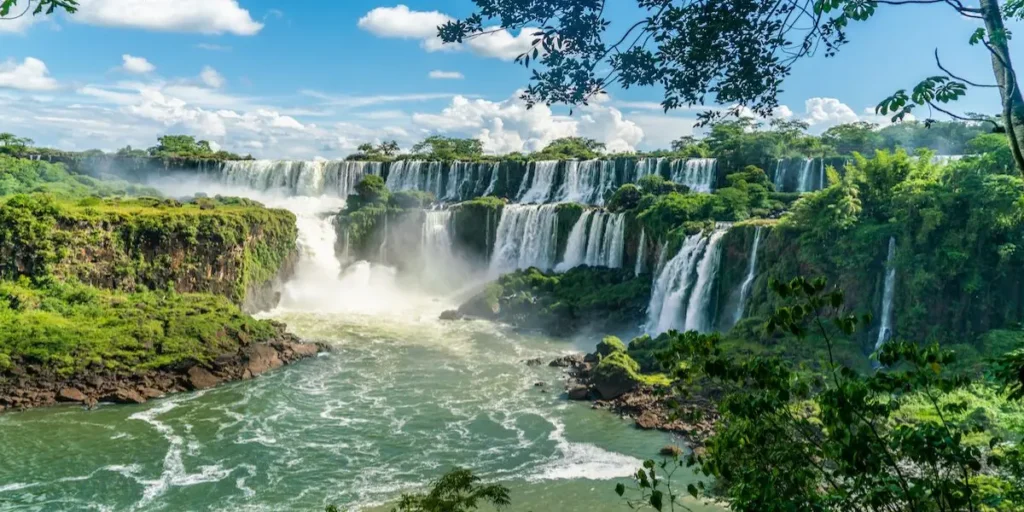
Visiting the Brazilian Side of Iguazu Falls feels like stepping into a living postcard where nature shows off without holding back. Located on the border of Brazil and Argentina, this world-famous waterfall system is one of the largest and most powerful on Earth, stretching across nearly two miles of roaring water and lush rainforest.
What makes the Brazilian side so special is the way it presents the falls in a wide, dramatic panorama, giving you a full cinematic view that feels almost unreal.
Key Facts at a Glance
The Brazilian side of the falls is part of Iguaçu National Park, a UNESCO World Heritage Site that protects both the waterfalls and the surrounding Atlantic rainforest. This park is smaller than the Argentine side, but it offers the most iconic viewpoints of the entire system. To understand the scale of iguazu falls, it helps to look at some core facts that put things into perspective.
| Feature | Information |
| Location | Foz do Iguaçu, Paraná, Brazil |
| Total waterfalls | Around 275 individual falls |
| Height | Up to 82 meters (269 feet) |
| Width | Almost 2.7 kilometers |
| Best time to visit | March to May and August to October |
| Average visit time | 2 to 4 hours |
| UNESCO status | World Heritage Site |
One interesting fact is that the flow of water changes dramatically depending on the season. During the rainy months, the falls become louder, wider, and more powerful, sometimes doubling in volume. During drier months, the water is calmer, which makes it easier to see individual streams and rock formations. Either way, waterfall iguazu never feels disappointing because the scale remains overwhelming no matter the conditions.
The Story Behind the Name
The name Iguazu comes from the Guarani language, spoken by indigenous people who lived in this region long before borders existed. The word is formed from two parts: “y,” which means water, and “guasu,” which means big.
Together, Iguazu literally means “big water,” which might be one of the most accurate place names on the planet. When you stand in front of the falls and feel the ground vibrate beneath your feet, the meaning becomes instantly clear.
Wide-Angle Views of the Falls
The biggest advantage of the Brazilian side is perspective. Instead of walking right next to individual waterfalls, you observe the entire system from carefully placed viewpoints that feel like nature’s own balcony. From these platforms, you can see dozens of falls at once, stretching across the horizon in a way that no camera truly captures. This is why photographers and filmmakers often prefer iguazu waterfalls from Brazil, because the angles are simply unbeatable.
What makes this even more impressive is the contrast with iguazu waterfalls argentina, where visitors walk along trails between the falls and experience them up close. That side feels immersive and intense, while the Brazilian side feels grand and majestic. Together, they create two very different emotional experiences of the same place.
Easy & Simple to Explore
One reason the Brazilian side is so popular with American tourists is how easy it feels. The park uses a shuttle bus system that takes visitors from the entrance to the main viewpoints, so you don’t need to worry about complicated navigation. Everything runs on a clear loop, which means you never feel lost or overwhelmed. This design turns a potentially massive natural area into something that feels relaxed and manageable.
Minimal Walking Required
Unlike the Argentine side, which involves several long walking circuits, the Brazilian side focuses on short, well-maintained paths. Most trails are flat, paved, and accessible, which makes the experience suitable for seniors, families, and travelers with limited mobility. You can see almost all major viewpoints with less than two kilometers of walking.
This design changes how you experience iguazu falls argentina versus Brazil. In Argentina, you explore. In Brazil, you observe. Both are incredible, but Brazil feels less physically demanding while still delivering maximum visual impact.
Right Next to Devil’s Throat
Devil’s Throat, known as Garganta del Diablo, is the most powerful and dramatic section of the entire waterfall system. It’s a massive U-shaped drop where an enormous volume of water crashes into a narrow gorge, creating endless mist and thunderous sound.
While the main viewing platform is technically on the Argentine side, the Brazilian walkway brings you incredibly close to the edge of this roaring abyss.
Luxury Accommodation Nearby
One of the hidden advantages of the Brazilian side is its connection to luxury travel. The most famous hotel in the area is Hotel das Cataratas, the only hotel located inside the Brazilian national park. This five-star property offers spa services, fine dining, and rooms with views of the rainforest, turning a nature trip into a high-end experience.For couples, honeymooners, and travelers who enjoy comfort, this adds a new dimension to iguazu falls in brazil. You’re not just visiting a waterfall.
Private Access to the Falls
Staying at select luxury hotels gives you something most visitors never experience: private access to the falls before and after regular park hours. This means you can walk the main viewpoints in near silence, without crowds, tour groups, or noise. It feels like having a world wonder to yourself.
This exclusive experience changes the emotional tone completely. Instead of feeling like a tourist, you feel like a guest of nature. Many travelers describe this as the most magical part of their entire waterfall iguazu journey, especially at sunrise when the light hits the mist and everything glows gold.
Explore the Bird Park (Parque das Aves)
A Wildlife Experience Just Steps Away from Iguazu Falls
Right outside the Brazilian park entrance is Parque das Aves, one of the best bird parks in South America. This conservation-focused attraction allows you to walk inside massive aviaries filled with toucans, macaws, flamingos, butterflies, and exotic tropical species. Unlike traditional zoos, the birds fly freely around you, creating a deeply immersive experience.
Best Time to Visit the Brazilian Side of Iguazu Falls
The best time to visit depends on what kind of experience you want. From March to May and August to October, the weather is pleasant, crowds are manageable, and water levels remain impressive. During summer months, especially December and January, the falls become extremely powerful due to heavy rain, but heat and crowds also increase.
If you prefer photography, drier months offer clearer views and more visible rock formations. If you want raw power and drama, rainy season delivers maximum intensity. Either way, iguazu waterfalls argentina and Brazil remain spectacular year-round.
How to Get There from the USA
Most American travelers fly into Foz do Iguaçu via São Paulo or Rio de Janeiro. The journey is smooth, with daily connections and modern airports. US passport holders do not currently need a visa for short tourist stays in Brazil, which makes planning easier.
From the airport, taxis and ride services reach the park in about 20 minutes. Border crossings to iguazu falls argentina are also simple, allowing travelers to experience both countries in one trip.
Brazilian Side vs Argentine Side: Which Is Better?
The Brazilian side gives you the best panoramic views, while the Argentine side offers closer walking trails. Brazil feels more relaxed and cinematic. Argentina feels more adventurous and immersive. Together, they form two halves of one unforgettable experience.
| Feature | Brazilian Side | Argentine Side |
| Best for views | Yes | Limited |
| Best for walking | Minimal | Extensive |
| Time needed | 2–4 hours | 5–7 hours |
| Accessibility | Very easy | Moderate |
| Emotional impact | Majestic | Intense |
Most experts recommend visiting both, starting with Brazil and finishing with iguazú falls argentina for the full emotional arc.
Final Thoughts: Is the Brazilian Side of Iguazu Falls Worth It?
The Brazilian Side of Iguazu Falls is not just worth it, it’s unforgettable. It combines epic natural beauty with comfort, accessibility, and luxury in a way very few destinations manage to achieve. Whether you’re watching mist rise over Devil’s Throat, walking through bird-filled forests, or sipping coffee with a view of roaring water, the experience feels larger than life.
FAQS
Do USA visitors need a visa to visit the Brazilian side of Iguazu Falls?
Most USA travelers should check current visa rules for Brazil before traveling, as entry requirements can change.
Which park is the Brazilian side located in?
It is located inside Iguaçu National Park.
Is the Brazilian side better than the Argentine side?
The Brazilian side offers the best panoramic views, while Argentina gives closer waterfall access.
How much time do you need to explore the Brazilian side?
Around 3–4 hours is enough to see the main viewpoints.
What is the best time to visit Iguazu Falls?
Visit between March and May or August and October for pleasant weather and fewer crowds.
Conclusion
The Brazilian Side of Iguazu Falls is one of those rare places that feels even more powerful in real life than in photos. With its wide panoramic views, easy walking paths, and close access to Devil’s Throat, it offers a perfect mix of comfort and adventure. For first-time visitors, especially from the USA, it’s an ideal way to experience one of the greatest natural wonders on Earth without stress.
Mata Description
Discover the Brazilian Side of Iguazu Falls with wide views, easy trails, Devil’s Throat, luxury hotels, and unforgettable nature for USA travelers.
