

Carry-On Luggage Rules for International Flights: Everything You Need to Know Before You Pack
Nothing derails a trip faster than getting stopped at the gate because your bag is “just a little too big.” 🧳 If you’ve ever watched someone frantically repack their suitcase in the middle of a crowded airport, you know exactly why understanding carry-on luggage rules for international flights matters so much. Every airline seems to have its own version of the rules, and what flies in the U.S. might get flagged in Europe or Asia. This guide breaks down everything — sizes, weights, liquids, and those sneaky prohibited items — so you can breeze through security instead of sweating it out. 🌍✈️
Why Carry-On Rules Actually Matter
International carry-on luggage rules aren’t just bureaucratic red tape. They exist to keep cabins safe, manageable, and fair for everyone boarding the plane.
Overhead bin space is limited, and airlines have gotten stricter about enforcing size and weight caps because oversized bags slow down boarding and create safety hazards during turbulence or emergency evacuations. Add international travel into the mix — different countries, different aviation authorities, different airline fleets — and it’s easy to see why so many travelers get caught off guard.
Understanding cabin baggage rules ahead of time saves you money, stress, and the embarrassment of repacking at the gate in front of a full flight.
Carry-On Luggage Size and Weight Rules by Region
Carry-on luggage size and weight limit standards vary more than most travelers expect. Here’s how the major regions generally break down.
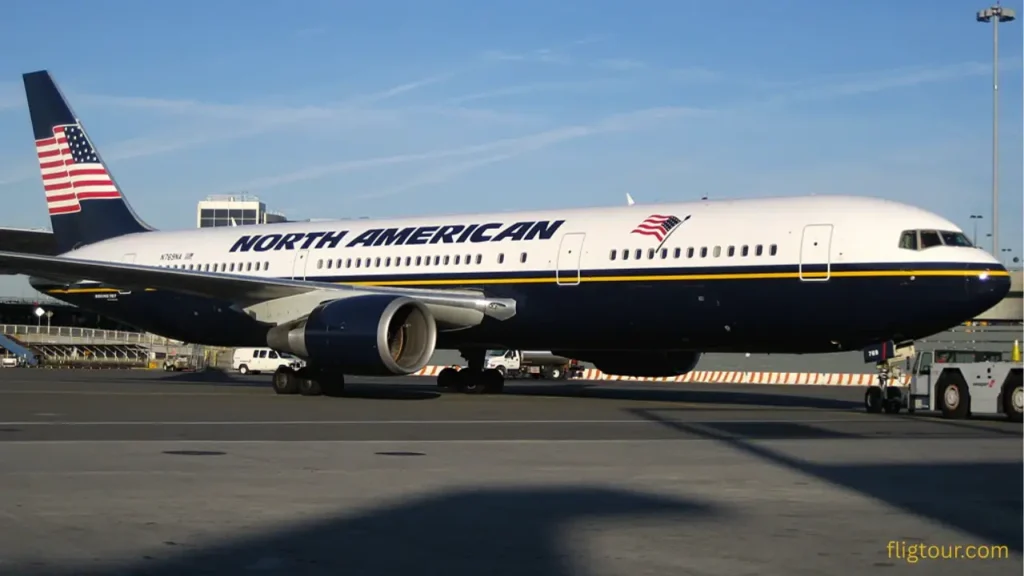
North American Airlines 🏛️
Most U.S. and Canadian carriers allow a carry-on bag around 22 x 14 x 9 inches (56 x 36 x 23 cm), including handles and wheels. Weight limits are often unenforced domestically, but many airlines cap it at 40 pounds (18 kg) for international routes.
European Airlines 🌊
European budget carriers, like Ryanair and easyJet, are notoriously strict on both size and weight. Some allow only one small “personal item” for free, charging extra for a full-size carry-on bag placed in the overhead bin.
Asian and Middle Eastern Airlines 🌲
Airlines across Asia and the Gulf region tend to enforce stricter weight limits, often capping carry-ons at 15-18 pounds (7-8 kg), even when the bag’s dimensions are within range. Weighing your bag at home before you leave can prevent surprises at check-in.

Australian and Pacific Airlines 📸
Carriers like Qantas typically follow a 7 kg (about 15 lb) weight limit for cabin baggage, paired with dimension restrictions similar to European standards.
Because international flight baggage rules shift by region and even by specific aircraft type, it’s smart to check your airline’s carry-on policy directly before departure rather than relying on general assumptions.
Personal Item vs Carry-On Bag: What’s the Difference?
This is one of the most common points of confusion in air travel. A personal item is typically a smaller bag — a purse, backpack, or laptop case — that fits under the seat in front of you. A carry-on bag is larger and goes in the overhead bin.
Most airlines allow one of each for free, but some ultra-low-cost carriers only include the personal item in the base fare, charging separately for the carry-on. Always double-check what’s included in your fare class, especially on European and Asian budget airlines.
Liquids in Carry-On Luggage: The 3-1-1 Rule
The most widely recognized standard for liquids in carry-on luggage is the TSA carry-on rule, often called the 3-1-1 rule:
- Containers must be 3.4 ounces (100 ml) or smaller
- All containers must fit in 1 quart-sized clear bag
- Each traveler is allowed 1 bag of liquids
This rule is followed closely by most international airports too, though some countries enforce it slightly differently. The European Union, for instance, requires similar limits but is gradually rolling out new scanner technology at select airports that may eventually allow larger liquid containers without repacking.
Medications, baby formula, and breast milk are typically exempt from the standard limit but may require additional screening, so it’s wise to declare them at security.
Prohibited Items in Carry-On Luggage
Every international flight enforces a list of banned items, and getting familiar with it before you pack saves serious hassle at security checkpoints.
Commonly restricted or banned items include:
- Sharp objects like knives, scissors over 4 inches, and razor blades
- Sporting equipment such as baseball bats or golf clubs
- Self-defense items, including pepper spray and stun guns
- Flammable materials and certain aerosols
- Large power banks and spare lithium batteries beyond airline-approved limits
- Tools longer than 7 inches
Rules can vary slightly by country, so if you’re flying through multiple international airports, it’s worth checking each nation’s aviation authority website, such as the TSA in the U.S. or the UK’s Civil Aviation Authority, for country-specific restrictions.
Carry-On Packing Rules That Actually Help
Packing smart isn’t just about fitting more into your bag — it’s about avoiding delays and fees.
Weigh your bag before leaving home. A simple luggage scale can prevent an unpleasant surprise at check-in, especially with airlines that enforce strict weight caps.
Pack liquids on top. Keep your quart bag of liquids easily accessible so you’re not digging through your entire bag at the security line.
Know your airline’s specific carry-on bag dimensions. Even a half-inch over the limit can mean gate-checking your bag for a fee.
Roll rather than fold. Rolling clothes saves significant space and helps you fit more within airline carry-on policy limits.
Use packing cubes. They compress clothing and make it easier to keep your carry-on under both size and weight thresholds.
Carry-On Allowance by Airline Type
Carry-on baggage allowance differs significantly depending on whether you’re flying budget, full-service, or premium airlines.
| Airline Type | Typical Carry-On Allowance | Extra Fees for Larger Bags |
|---|---|---|
| Budget/Low-Cost | Personal item only (free); carry-on bag often costs extra | $20–$65 per flight |
| Full-Service International | 1 personal item + 1 carry-on bag (usually free) | Rarely charged unless overweight |
| Luxury/Business Class | 1–2 carry-on bags + personal item, often with higher weight limits | Almost never charged |
A Simple Pre-Flight Packing Timeline
Getting your carry-on ready doesn’t need to be chaotic if you spread the process across two days.
| Day | Morning | Afternoon | Evening |
|---|---|---|---|
| Day 1 | Check airline’s specific carry-on luggage requirements online | Lay out clothing and separate liquids into a quart bag | Weigh your bag and adjust if it’s over the limit |
| Day 2 | Double-check prohibited items list for your destination country | Pack electronics, chargers, and documents in accessible pockets | Do a final size check against airline dimension charts |
Local Tips for Smoother Security Screening 🚶
Frequent international travelers tend to swear by a few simple habits that make security lines faster and less stressful.
Wear slip-on shoes when possible, since many international airports still require shoe removal. Keep your laptop and liquids bag near the top of your carry-on so you’re not repacking everything at the X-ray belt. If you’re flying with connections through multiple countries, research each layover airport’s specific carry-on baggage rules, since transit rules can differ from your origin country’s regulations.
Arriving at least three hours early for international flights also gives you a buffer in case your bag needs a manual inspection.
Safety Tips for Carry-On Travel
Safety goes beyond just following size charts — it also means protecting your belongings and complying with rules that keep everyone on board secure.
Never pack spare lithium batteries or power banks in checked luggage; they must travel in your carry-on due to fire risk. Keep valuables like passports, medications, and electronics in your carry-on rather than checked bags, both for safety and in case checked luggage is delayed. Always lock your bag with TSA-approved locks so security agents can inspect it without cutting the lock, and keep a digital copy of your documents in case anything goes missing.
FAQs: Carry-On Luggage Rules for International Flights
What is the standard carry-on luggage size for international flights?
Most international airlines allow a carry-on around 22 x 14 x 9 inches (56 x 36 x 23 cm), though budget carriers in Europe and Asia often enforce smaller dimensions.
What is the carry-on weight limit for international flights?
Weight limits typically range from 15 to 40 pounds (7-18 kg), depending on the airline and region, with Asian and Australian carriers generally enforcing the strictest limits.
How many liquids can I bring in my carry-on?
Under the standard TSA carry-on rules followed internationally, liquids must be 3.4 ounces (100 ml) or smaller and fit into a single quart-sized bag.
What’s the difference between a personal item and a carry-on bag?
A personal item is smaller and fits under the seat, while a carry-on bag is larger and stored in the overhead bin — many budget airlines charge extra for the latter.
Can I bring a power bank in my carry-on luggage?
Yes, power banks and spare lithium batteries are required to be packed in carry-on luggage rather than checked bags due to fire safety regulations.
What items are banned from carry-on luggage on international flights?
Prohibited items generally include sharp objects, flammable materials, self-defense sprays, and oversized tools, though exact rules can vary slightly by country.
Final Thoughts
Carry-on luggage rules for international flights don’t have to feel overwhelming once you know what to expect. A little research before you fly — checking your airline’s specific size and weight policies, packing your liquids correctly, and avoiding prohibited items — goes a long way toward a smoother travel day. 🌅
For more practical, up-to-date travel advice, explore more guides on FligTour to help you plan your next international adventure with confidence.

Flightour is a travel platform that helps you discover top destinations, hidden gems, and expert travel tips worldwide. We make travel simple, affordable, and unforgettable—whether you’re planning a solo trip, family vacation, or a dream getaway.
Explore more, travel better with Flightour.