

Best National Parks in Utah: A Complete Mighty 5 Travel Guide
There’s a moment on nearly every Utah trail when the trees clear and you’re suddenly staring at a canyon wall glowing deep orange in the afternoon sun, and it’s genuinely hard to look away. 🏜️ Exploring the best national parks in Utah means crossing paths with towering sandstone arches, slot canyons, and hoodoo-filled amphitheaters, often within the same week-long trip.
Utah’s five national parks, affectionately nicknamed the Mighty 5, sit close enough together to form one of the most rewarding road trips in the country. ✈️ Whether you’re a serious hiker or simply chasing incredible views, this guide covers everything you need to plan the trip right. 📍
Why Visit Utah’s National Parks
Utah is home to more national parks than almost any other state, each showcasing a completely different side of the Colorado Plateau’s dramatic geology. From delicate stone arches to towering red cliffs, the sheer variety packed into a single state is genuinely remarkable.
Add in excellent camping infrastructure, dramatic stargazing conditions, and small towns built around outdoor adventure, and it’s clear why the Mighty 5 National Parks Utah keeps appearing on so many bucket lists. Whether you’re planning a full Utah road trip or focusing on just one park, the payoff is consistently spectacular.
Top Things to Do in Utah’s National Parks
Zion National Park 🏞️
Zion National Park remains the most visited of Utah’s parks, famous for towering red cliffs and the legendary Angels Landing hike. The Zion Narrows, a hike directly through the Virgin River between soaring canyon walls, offers one of the most unique experiences in hiking in Utah national parks.
The National Park Service operates a mandatory shuttle system through the main canyon during peak season, making advance planning essential.
Bryce Canyon National Park 📸
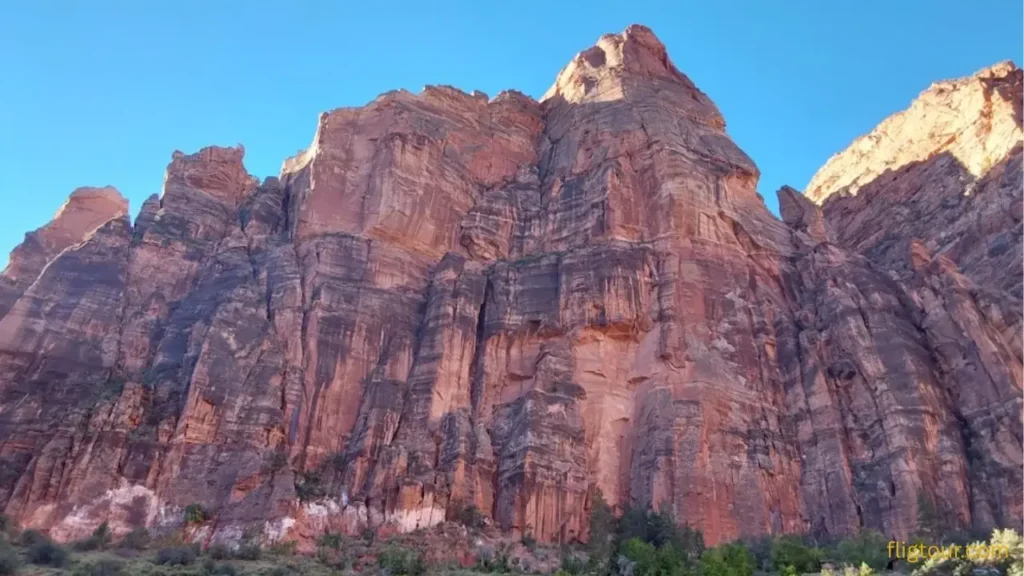
Bryce Canyon National Park is known for its otherworldly hoodoos, thin rock spires that glow bright orange and pink at sunrise. The Rim Trail offers stunning overlooks with minimal effort, while the Navajo Loop takes hikers directly down among the formations.
Bryce’s high elevation also makes it one of the best stargazing spots in the country, with regular ranger-led astronomy programs.

Arches National Park 🌅
Home to over 2,000 natural stone arches, Arches National Park offers some of the most photographed landscapes in the entire National Park System. Delicate Arch remains the park’s most iconic formation, best reached via a moderately strenuous hike, especially rewarding at sunset.
Timed entry reservations are now required during peak season, so booking ahead is essential for this park.
Canyonlands National Park 🏞️
Canyonlands National Park is Utah’s largest national park, divided into distinct districts including Island in the Sky and The Needles. Dramatic overlooks here reveal canyons carved by the Colorado and Green Rivers, offering some of the most scenic parks in Utah for photography.

Capitol Reef National Park 🌲
Often overlooked compared to its more famous neighbors, Capitol Reef National Park offers a unique blend of colorful cliffs, historic orchards, and the dramatic Waterpocket Fold geological formation. It remains one of the best hidden gems among Utah national parks for travelers wanting fewer crowds.
Slot Canyon Hiking 🚶
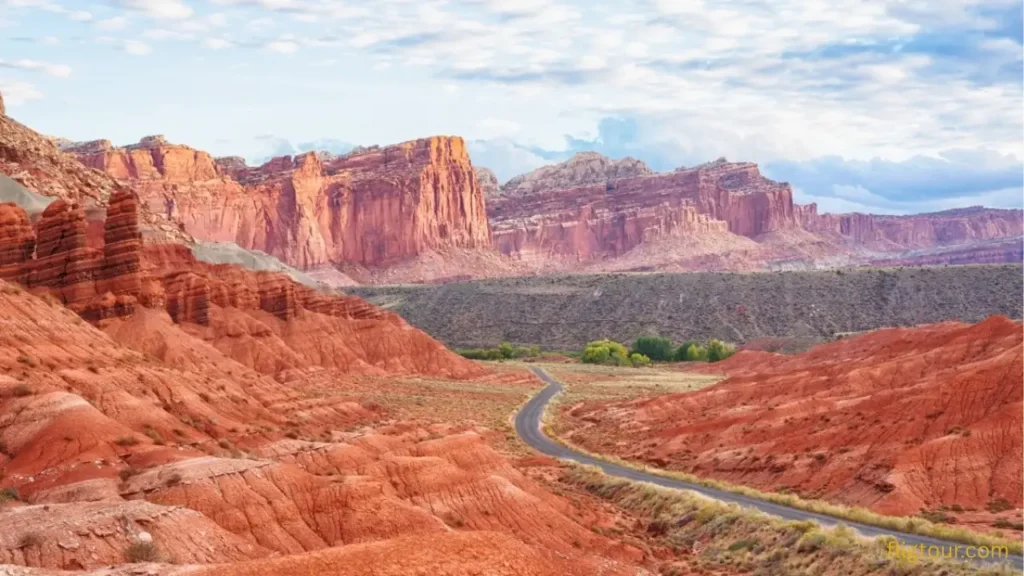
Beyond the main trails, several of Utah’s parks and surrounding areas offer incredible slot canyon hikes, where narrow passageways wind between towering rock walls. These hikes require careful planning around weather, since flash floods pose a serious risk in narrow canyons.

Scenic Drives Through Red Rock Country 🚗
Scenic drives like Zion-Mount Carmel Highway and the Island in the Sky Road offer incredible views for travelers who prefer sightseeing over strenuous hikes. Many of these routes include pullouts specifically designed for photography stops.

Camping Under Desert Skies 🎉
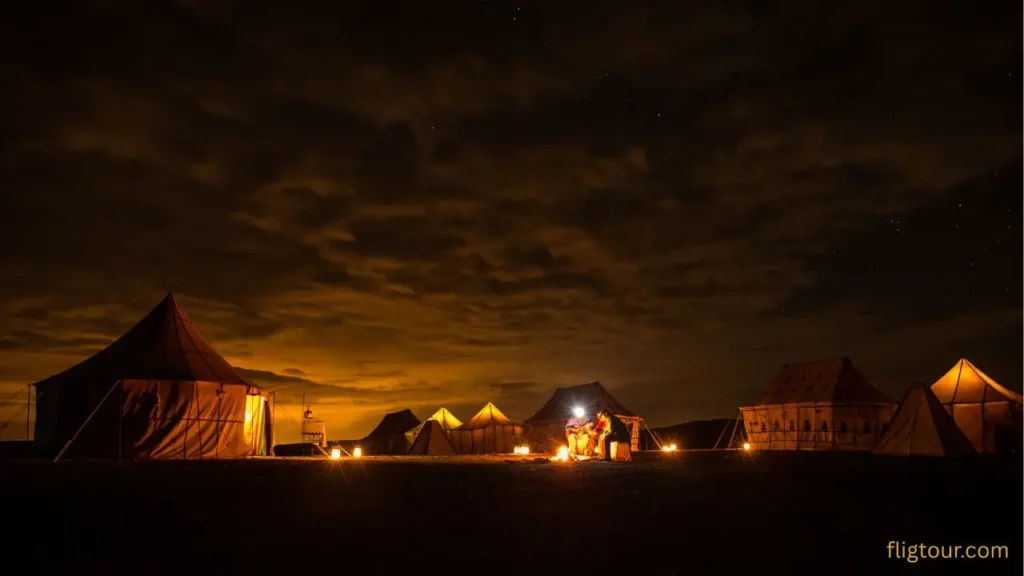
Camping in Utah national parks ranges from developed campgrounds with modern amenities to more remote backcountry sites requiring permits. The dry desert climate and minimal light pollution make these parks some of the best stargazing destinations in the entire country.
Family-Friendly Trails and Visitor Centers 🍽️
Family-friendly national parks in Utah activities include shorter, well-marked trails at Bryce Canyon and Arches, along with junior ranger programs available at all five parks.

Best Time to Visit Utah’s National Parks
Spring (April to May) and fall (September to October) are widely considered the best time to visit Utah national parks, offering comfortable hiking temperatures and thinner crowds. 🌸 Summer brings intense desert heat, especially at lower elevations like Zion and Arches, though Bryce Canyon’s higher elevation stays noticeably cooler. ☀️
Fall delivers pleasant weather and stunning golden cottonwoods along canyon floors, making it a favorite season among photographers. 🍂 Winter transforms Bryce Canyon into a snow-dusted wonderland, though some trails and roads may close temporarily depending on conditions. ❄️
Where to Stay Near Utah’s National Parks
Budget Hotels
Towns like Springdale near Zion and Moab near Arches and Canyonlands offer budget-friendly motels within easy driving distance.
Mid-Range Hotels
Moab and Torrey both provide comfortable mid-range lodging options with easy access to multiple parks.
Luxury Hotels
Springdale and areas near Bryce Canyon offer upscale lodges with stunning canyon or cliff views.
Best Areas to Stay
Springdale suits Zion visitors, Moab works well for Arches and Canyonlands, and Torrey is ideal for Capitol Reef access.
Transportation
Airports
Salt Lake City International Airport serves as the main gateway, with smaller regional airports in St. George and Moab offering closer access to southern parks.
Public Transport
Zion operates a mandatory shuttle system within the main canyon during peak season, though the other four parks require a personal vehicle.
Car Rental 🚗
Renting a car is essential for any Utah road trip connecting multiple national parks across the state.
Ride Sharing
Uber and Lyft are available in Salt Lake City but extremely limited near the parks themselves.
Walking 🚶
Trails within each park require walking or hiking, though visitor centers and nearby town centers remain easily walkable.
Budget Guide for Utah National Parks
| Traveler Type | Average Daily Budget |
|---|---|
| Budget | $100–$150 |
| Mid-Range | $200–$320 |
| Luxury | $400+ |
These figures generally include lodging, food, park entrance fees, and local transportation, with guided tours adding to overall costs.
2-Day Utah National Parks Itinerary
| Day | Morning | Afternoon | Evening |
|---|---|---|---|
| Day 1 | Hike the Zion Narrows or Angels Landing | Scenic drive along Zion-Mount Carmel Highway | Dinner in Springdale |
| Day 2 | Sunrise at Bryce Canyon’s Rim Trail | Hike the Navajo Loop among the hoodoos | Stargazing at a Bryce Canyon overlook |
Local Tips
Booking timed entry reservations for Arches well in advance is essential during peak season, since availability fills up quickly. Starting hikes early in the morning helps avoid both crowds and the harshest desert heat, especially during summer months.
Carrying more water than feels necessary is always the right call in Utah’s dry desert climate. Also, fuel and cell service can be limited between parks, so planning routes and filling up gas tanks in advance is a smart habit for any Utah national parks itinerary.
Safety Tips
Flash floods are a serious risk in slot canyons and washes, particularly during the summer monsoon season from July through September. The National Park Service strongly recommends checking weather conditions and any flash flood warnings before entering narrow canyons.
Exposed trails like Angels Landing involve steep drop-offs and chains for support, requiring sturdy footwear and a genuine comfort with heights. Desert heat can be dangerous even on shorter hikes, so carrying extra water and avoiding midday sun during summer visits is essential for safety.
FAQs
What are the best national parks in Utah?
Zion, Bryce Canyon, Arches, Canyonlands, and Capitol Reef make up Utah’s Mighty 5 National Parks, each offering distinct landscapes.
What is the best time to visit Utah national parks?
Spring and fall offer the most comfortable temperatures and thinner crowds across all five parks.
How many days do you need to see all 5 Utah national parks?
Most travelers find 10 to 14 days ideal for covering all five parks at a comfortable pace, though a focused week can hit the highlights.
Do you need reservations for Arches National Park?
Yes, timed entry reservations are typically required during peak season to help manage crowds and protect the park’s trails.
Which Utah national park is best for families?
Bryce Canyon and Arches both offer shorter, well-marked trails that make them especially family-friendly national parks in Utah.
Can you camp in Utah’s national parks?
Yes, all five parks offer camping options, ranging from developed campgrounds to more remote backcountry sites requiring permits.
Conclusion
Utah’s national parks offer an extraordinary range of red rock landscapes, from delicate stone arches to glowing hoodoo amphitheaters, all within a single unforgettable road trip. However you choose to explore the Mighty 5, these parks are guaranteed to leave a lasting impression.
Keep the adventure going by exploring more destination guides on FligTour for your next unforgettable trip. ✈️

Flightour is a travel platform that helps you discover top destinations, hidden gems, and expert travel tips worldwide. We make travel simple, affordable, and unforgettable—whether you’re planning a solo trip, family vacation, or a dream getaway.
Explore more, travel better with Flightour.