

How to Find Your Airport Gate
There’s a very specific kind of panic that hits when you glance at the clock, realize boarding starts in fifteen minutes, and have absolutely no idea where your gate is. 🧳 Knowing how to find your airport gate quickly can be the difference between a relaxed stroll to your flight and an all-out sprint through a crowded terminal. Airports are busy, sprawling, and sometimes genuinely confusing, but with the right approach, navigating one becomes second nature. ✈️ Whether you’re flying out of a small regional airport or connecting through a massive international hub, this guide walks you through everything you need to know about airport gate information, reading your boarding pass, and getting to your flight without breaking a sweat. 📍
Why This Matters for Every Traveler
Missing a flight because you couldn’t locate your gate is one of the most avoidable travel mishaps out there. Airport layouts vary wildly, gate numbers change last minute, and jet bridges get reassigned without much warning. Understanding airport wayfinding isn’t just convenient, it’s essential for anyone who travels regularly or is stepping into an unfamiliar terminal for the first time.
Beyond avoiding stress, knowing your way around also gives you more time to relax before your flight. Grab a coffee, browse the shops, or just sit and people-watch instead of anxiously wandering hallways looking for a sign.
Top Ways to Locate Your Boarding Gate
🏛️ Check Your Boarding Pass First
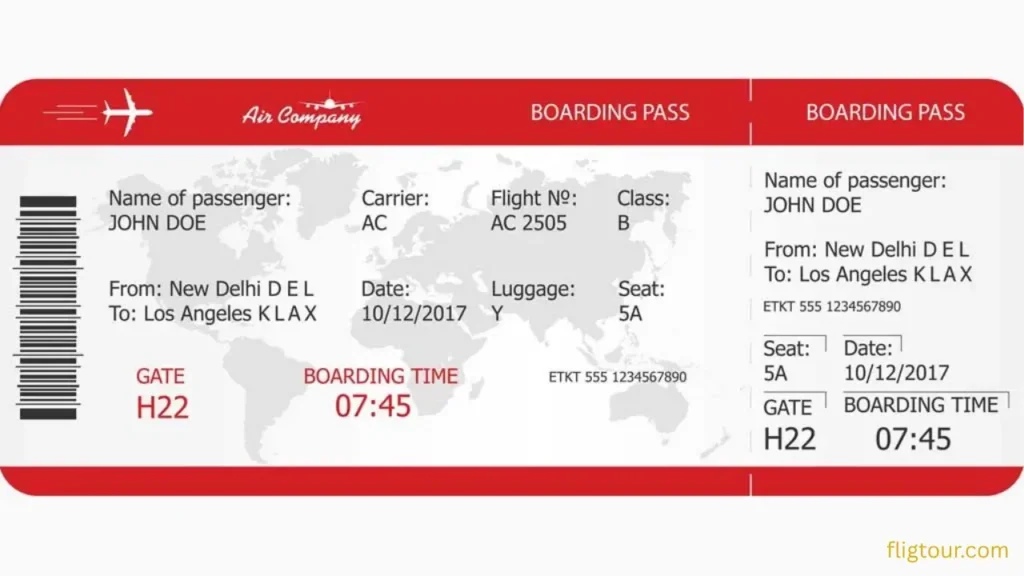
Your boarding pass is the single most reliable source of airport gate information you have. Learning how to read a boarding pass properly saves enormous amounts of confusion. Look for the gate number, terminal letter, and boarding time, usually printed prominently near your flight number.
Keep in mind that this information can change between the time you check in and the time you actually board. Airlines often update gates due to weather delays, aircraft swaps, or scheduling conflicts, so treat your printed pass as a starting point rather than gospel.
📍 Watch the Airport Departure Board
Every terminal has large digital screens listing departures, arrivals, and gate assignments in real time. These airport departure boards are updated constantly and are far more current than what’s printed on your ticket. Glance at one as soon as you clear security to confirm your gate hasn’t shifted.
Departure boards are usually organized by departure time and destination, making it easy to scan for your flight number. If you can’t spot one right away, head toward the main terminal concourse where they’re typically clustered near food courts and major walkways.

🚶 Follow Airport Gate Signs and Directional Markers
Airport gate signs are designed to be intuitive, using letter and number combinations tied to specific terminal zones. Overhead signage usually points you toward gate ranges, like “Gates A1–A20” or “Gates 30–45,” long before you reach the actual gate area.
Follow these directional signs step by step rather than trying to memorize the entire layout at once. Most airports color-code or number their concourses specifically so travelers can navigate intuitively, even in places where English isn’t the primary language.

🌍 Use the Airline’s Mobile App
Nearly every major airline now offers real-time gate updates through their mobile app, often faster than the physical departure boards. Enabling push notifications means you’ll know about a gate change the moment it happens, sometimes before airport staff have even updated the signage.
This is particularly useful during layovers or connections, when gate assignments can shift due to tight turnaround schedules. Download your airline’s app before you travel and log in with your confirmation number for the most accurate updates.
📸 Ask Airport Staff or Use Information Desks
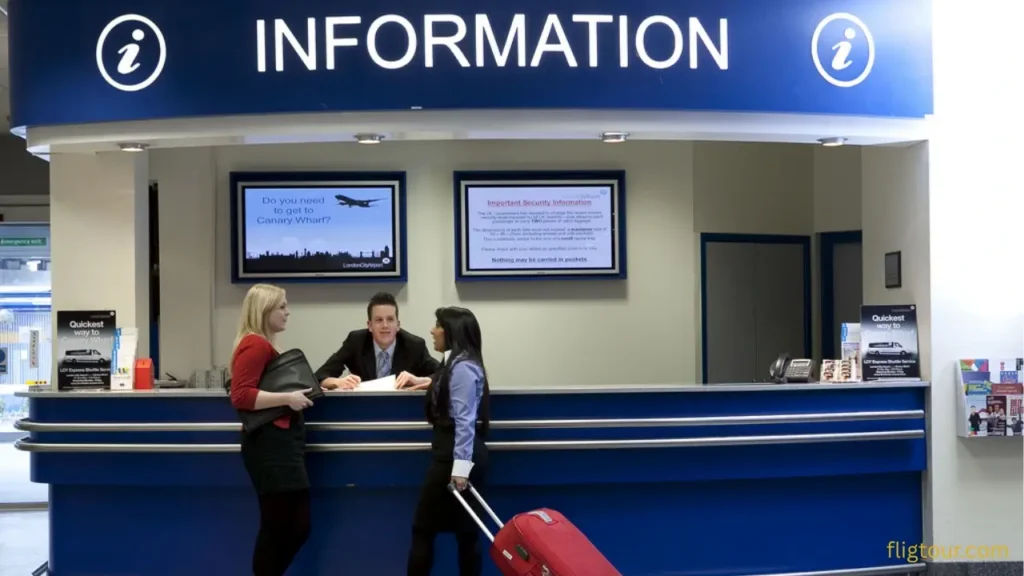
When in doubt, airport staff are there to help, and asking is always faster than wandering aimlessly. Information desks, typically located near security checkpoints and main terminal entrances, can point you in the right direction immediately.
Gate agents near any checkpoint can also glance at your boarding pass and redirect you if you’ve somehow ended up in the wrong terminal or concourse. There’s no shame in asking, even frequent flyers do it.
🗺️ Study the Airport Terminal Map Beforehand
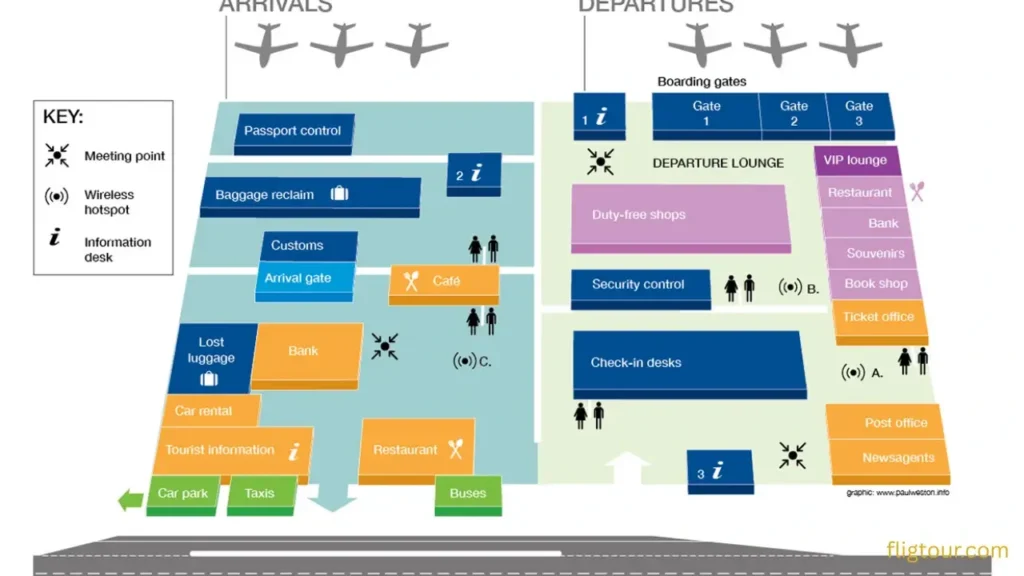
Many airports post their airport terminal map online well before you arrive, and it’s worth a quick look, especially at large international hubs. Knowing roughly where security checkpoints, food courts, and gate clusters sit relative to each other helps orient you the moment you step off the curb.
This is especially helpful for connecting flights, where you might need to move between terminals via train, shuttle, or a lengthy walk. A few minutes of preparation can save twenty minutes of confused wandering later.
Best Time to Arrive and Navigate the Airport
☀️ For domestic flights, arriving about two hours before departure typically gives you comfortable buffer time to navigate security and find your gate without rushing. 🌸 For international flights, three hours is the standard recommendation, since customs and immigration lines add unpredictability.
Holiday seasons and peak summer travel months bring noticeably longer security lines and busier terminals, so padding extra time during ❄️ winter holidays or 🍂 fall travel spikes is smart. Airports also tend to be quieter early in the morning, making gate navigation considerably smoother if your schedule allows for an early departure.
Where to Wait Comfortably Once You’ve Found Your Gate
Budget Options: Most terminals have free seating areas near every gate cluster, along with charging stations and basic amenities that won’t cost a thing.
Mid-Range Options: Airport lounges with day-pass access, often bookable through services like Priority Pass, offer quieter seating, snacks, and Wi-Fi for a reasonable fee.
Luxury Options: Airline-branded first-class or business lounges provide premium seating, hot meals, showers, and dedicated staff, ideal for long layovers or overnight connections.
Best Areas to Wait: Staying near your assigned gate cluster is generally wisest, since gate changes often happen within the same concourse rather than across the entire airport.
Getting Through the Airport: Transportation Within Terminals
Airport Trains and Shuttles: Large airports like Hartsfield-Jackson Atlanta or Denver International often require an internal train to reach certain concourses, so factor in extra walking and transit time.
Moving Walkways: Long corridors typically have moving walkways to speed up the journey between security and distant gates, particularly useful when you’re short on time.
Ride-Sharing and Car Rental Pickup: These generally apply only if you’re leaving the airport rather than heading to a gate, but knowing where these pickup zones are helps if you’re navigating a connecting terminal transfer.
Walking: In smaller regional airports, walking directly from security to your gate is usually straightforward and rarely takes more than ten minutes.
Budget Guide for Airport Waiting Time
| Traveler Type | Average Daily Spend at Airport |
|---|---|
| Budget | $10–$20 (snacks, water, basic seating) |
| Mid-Range | $30–$60 (lounge day pass, meal, Wi-Fi) |
| Luxury | $75–$150+ (premium lounge access, spa services, dining) |
Sample 2-Day Layover Itinerary
| Day | Morning | Afternoon | Evening |
|---|---|---|---|
| Day 1 | Arrive early, check departure board, locate gate | Explore terminal shops and dining options | Relax in lounge or gate seating before boarding |
| Day 2 | Confirm gate via airline app | Grab lunch near your concourse | Head to gate 45 minutes before boarding call |
Local Tips from Frequent Flyers
Seasoned travelers rarely rely on just one source of airport gate information. They cross-check the boarding pass, the departure board, and the airline app together for accuracy. 🎉
It also helps to note your gate’s concourse letter immediately after checking in, since remembering “B concourse” is far easier than a random number when you’re rushing through a crowded terminal. Many travelers also recommend screenshotting your boarding pass in case your phone loses signal or battery.
Safety Tips for Navigating Airports
Always keep your boarding pass and identification easily accessible, since you may need to show them multiple times before reaching your gate. Avoid leaving bags unattended, even briefly, as unattended luggage can trigger security concerns and delays for everyone nearby.
Stick to well-lit, populated areas if you’re navigating a terminal late at night or during an overnight layover. It’s also worth checking official resources like the Transportation Security Administration (TSA) website for updated security screening guidelines before you fly, since procedures do shift periodically.
Frequently Asked Questions
How do I find my gate number at the airport?
Check your boarding pass first, then confirm using the airport departure board or your airline’s mobile app, since gate assignments can change after check-in.
What if my gate isn’t listed on my boarding pass?
This usually means the gate hasn’t been assigned yet. Check the departure board once you’re past security, or ask an airline representative at the check-in counter.
How early should I be at my gate before boarding?
Most airlines recommend arriving at your gate at least 30 to 45 minutes before departure, since boarding typically begins that early for larger aircraft.
Can my gate change after I’ve already found it?
Yes, gate changes happen fairly often due to aircraft swaps or scheduling adjustments. Keep an eye on the departure board or app notifications even after you’ve located your gate.
What’s the fastest way to navigate a large international airport?
Use the airport’s official terminal map, follow directional signage closely, and don’t hesitate to ask staff, especially if you’re connecting between terminals within a tight window.
Do all airports use the same gate numbering system?
No, each airport designs its own system, though most use a letter for the concourse and a number for the specific gate, such as B12 or C34.
Conclusion
Finding your airport gate doesn’t have to be a stressful scramble through unfamiliar hallways. 🌅 With a boarding pass in hand, an eye on the departure board, and a little help from airline apps and airport signage, you’ll navigate even the busiest terminals with confidence. The next time you’re heading to the airport, you’ll know exactly where to look and what to expect. For more practical travel guides like this one, explore additional resources on FligTour and make your next trip smoother from the moment you arrive at the curb. ✈️

Flightour is a travel platform that helps you discover top destinations, hidden gems, and expert travel tips worldwide. We make travel simple, affordable, and unforgettable—whether you’re planning a solo trip, family vacation, or a dream getaway.
Explore more, travel better with Flightour.